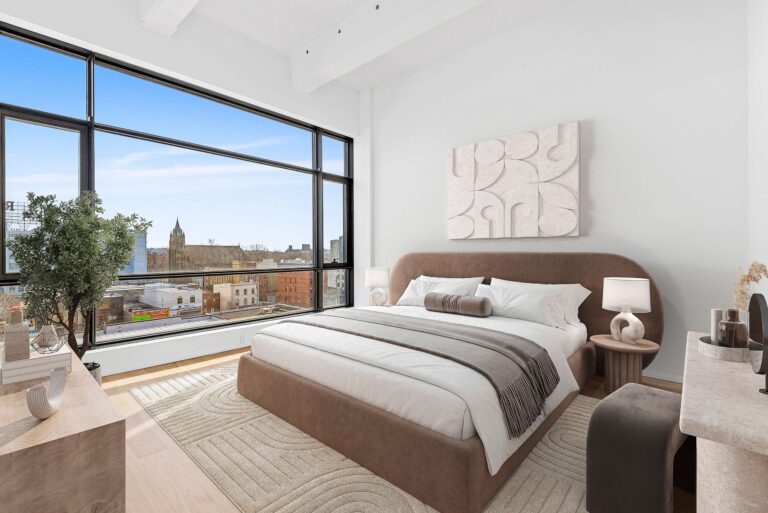
Furniture fairs around the world have become competitive hubs where brands showcase innovation, craftsmanship, and design. But with hundreds of exhibitors vying for attention, standing out visually is more challenging than ever. This is where 3D visualization is transforming the way furniture brands plan, design, and present their booths.
For companies like Givenewlook, 3D visualization is not just a technology — it’s a strategic advantage. It helps brands create immersive, photorealistic designs long before stepping into an actual exhibition hall. From booth layouts to product arrangements, materials, lighting, and visitor movement, 3D visualization has revolutionized showcase design at furniture fairs.
The Importance of 3D Visualization in Furniture Fairs
Traditionally, furniture fair preparation relied on sketches, sample booths, and guesswork. Today, exhibitors want precision, clarity, and the ability to experiment, making 3D visualization a must-have.
Here’s why it matters:
1. Photorealistic Preview of Booth Designs
3D visualization allows brands to see the booth exactly as it will appear at the fair — including textures, materials, lighting setups, and furniture arrangements.
This helps:
Eliminate design uncertainty
Make better creative decisions
Present clear visuals to stakeholders
The accuracy of photorealistic rendering ensures that every detail is finalized before construction.
2. Faster Approval and Collaboration
Furniture fairs involve designers, marketing teams, contractors, and event organizers. 3D visualization acts as a universal visual language, helping stakeholders discuss changes instantly.
Teams can collaborate efficiently using:
3D renders
Virtual walkthroughs
High-resolution views from multiple angles
This accelerates approval cycles and minimizes costly revisions on-site.
3. Reducing Costs and Waste
Creating a physical mock-up of a booth is expensive and time-consuming. With 3D visualization, brands can experiment digitally:
Test different materials
Change layouts
Explore lighting options
Compare design alternatives
This reduces physical prototyping costs and ensures a more sustainable planning process.
4. Enhancing Product Highlighting
For furniture brands, proper product positioning determines the success of their showcase. 3D visualization helps optimize:
Focal points
Walkthrough flow
Product layering and levels
Lighting angles for maximum emphasis
With 3D furniture modeling, each piece is displayed in its best visual context, enhancing customer engagement at the fair.
How 3D Technology Enhances Showcase Design
1. Smart Booth Layout Planning
3D technology provides accurate booth dimensions and realistic walkthrough simulations. Brands can design:
Space-efficient layouts
Customer-friendly traffic flow
Visually appealing display zones
Dedicated demo or interactive spaces
This ensures that booth structure aligns perfectly with exhibitor goals.
2. Accurate Furniture Modeling
Using high-detail 3D furniture modeling, exhibitors can present every product with precision:
Correct dimensions
True-to-life textures
Fabric simulations
Material and color variations
This helps in planning entire furniture collections cohesively.
3. Immersive Lighting Simulations
Lighting defines the mood and appeal of a booth. With 3D visualization, designers can test:
Spotlights
Ambient lighting
Colored LEDs
Highlighting angles
Realistic lighting previews ensure that products stand out dramatically at the fair.
4. Virtual Walkthroughs and Interactive Previews
Brands increasingly use 3D walkthrough animations to simulate the visitor experience. Decision-makers can explore the booth virtually before it’s built, making feedback fast and practical.
Trends in Furniture Fairs: A 3D Perspective
1. Virtual and Hybrid Furniture Fairs
Post-pandemic, virtual exhibitions gained popularity. 3D visualization enables brands to create:
Virtual showrooms
Online product tours
3D furniture catalogs
AR-based preview tools
This ensures global reach even beyond physical fairs.
2. Sustainable Expo Design Using 3D Planning
With sustainability becoming a priority, companies use 3D design to plan:
Modular booth structures
Reusable materials
Space-efficient layouts
This reduces environmental impact and cuts costs.
3. AI-Assisted 3D Rendering
AI now speeds up rendering times and improves realism, allowing exhibitors to experiment with more design variations in less time.
4. 3D-Driven Personalization
Exhibitors create multiple booth concepts using 3D visualization, customizing:
Themes
Colors
Product arrangements
Brands can target different audiences with tailored display strategies.
Benefits of Using 3D Visualization for Furniture Showcase Design
- Highly realistic preview of booth and products
- Reduced production errors and on-site surprises
- Time and cost efficiency in planning
- Flexible revisions with no physical waste
- Improved brand presentation and customer engagement
- Better collaboration across teams
Conclusion
As furniture fairs become more competitive and design-driven, the role of 3D visualization is becoming essential — not optional. For brands like Givenewlook, it enables smarter planning, improved creativity, and flawless execution.
3D showcase design helps exhibitors stand out, engage visitors, and tell a compelling visual story through their furniture collections. From concept to construction, 3D visualization transforms the entire exhibition journey.
If your brand wants to elevate its presence at upcoming furniture fairs, 3D visualization is the key to designing show-stopping, high-impact booths that leave a lasting impression.