Launching a new product is one of the most exciting — and most challenging — milestones for a startup. From concept sketches to prototypes, design revisions, and marketing campaigns, the road to launch is filled with hurdles. For many startups, the biggest challenge is speed: how to get a product to market quickly while keeping costs under control.
That’s where 3D product modeling becomes a game-changer. It enables startups to visualize, refine, and promote products digitally before investing in manufacturing or physical prototypes. In this blog, we’ll explore how 3D product modeling helps startups move faster, reduce risks, and stand out in today’s competitive marketplace.
What is 3D Product Modeling?
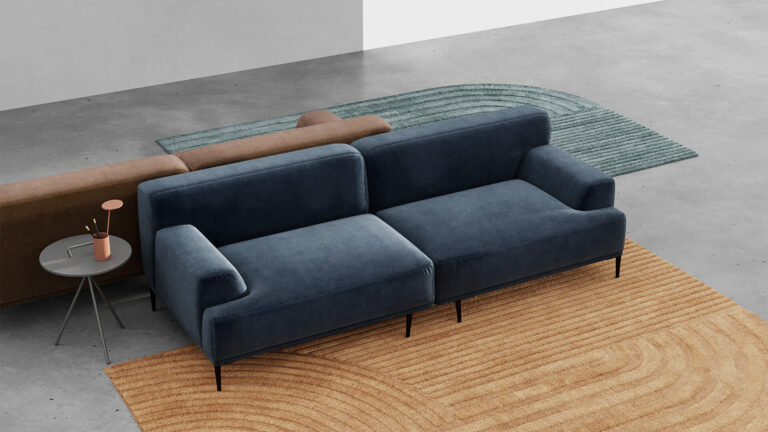
3D product modeling is the process of creating a digital, three-dimensional representation of a product using specialized software. These models are dimensionally accurate and can be textured, lit, and rendered to look identical to real-world products.
Unlike traditional design methods, 3D models are versatile digital assets. They can be used not just for design and prototyping but also for:
Photorealistic marketing visuals
Animated product demos
Interactive 360° spins for e-commerce
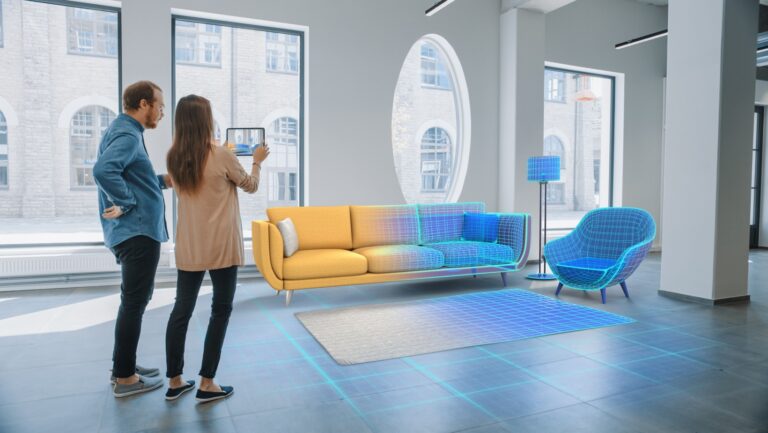
AR/VR product experiences
For startups, this means one investment in 3D modeling creates multiple opportunities for faster design validation and go-to-market strategies.
1. Speeds Up Product Development
Startups often operate under tight deadlines. Traditional product development can take months of prototyping and testing, slowing the path to launch.
With 3D product modeling, startups can:
Visualize concepts instantly without building physical prototypes.
Make quick changes to dimensions, finishes, or design features.
Test multiple variations side by side before choosing the best option.
This accelerates design iterations and reduces the back-and-forth usually required between designers, manufacturers, and stakeholders.
2. Reduces Prototyping Costs
Prototyping is expensive, especially for startups with limited budgets. Each design revision might require a new prototype — and costs can skyrocket quickly.
3D product modeling solves this by providing a virtual prototype. You can test shapes, materials, and finishes digitally before committing to production. Once the design is finalized, you only need to produce a single physical prototype for testing, saving both time and money.
For hardware startups, this difference can be critical — freeing up funds for marketing, growth, or further innovation.
3. Creates Marketing Assets Before Manufacturing
One of the biggest challenges startups face is how to market a product that doesn’t yet exist. Traditional photography requires finished products, which aren’t available until late in the development cycle.
With 3D product modeling, startups can generate marketing-ready visuals months ahead of production. Photorealistic renders can be used in:
Websites and e-commerce listings
Investor presentations and pitch decks
Social media campaigns
Crowdfunding platforms like Kickstarter or Indiegogo
This means you can build hype, attract pre-orders, and raise funds while the product is still in development.
4. Helps Attract Investors and Secure Funding
Investors want proof of concept. A sketch or 2D drawing doesn’t always communicate the potential of a product effectively.
3D models, however, give startups a way to present professional, polished visuals that look production-ready. This builds confidence with investors, making it easier to secure funding or partnerships.
Imagine showing a room full of potential backers a lifelike, 360° spin of your product instead of a rough sketch — the impact is much stronger.
5. Enables Early Market Testing
Startups succeed by solving problems customers care about. But how do you test market demand without producing inventory?
With 3D product modeling, you can:
Showcase different versions of your product to potential customers.
Gather feedback on colors, sizes, or features before manufacturing.
Run A/B tests online with realistic visuals.
This helps startups refine designs based on real data and avoid costly mistakes like producing products that don’t align with customer preferences.
6. Enhances E-Commerce and Online Sales
In today’s digital-first world, most startups sell online. But static images often fail to convey the full value of a product.
3D product models can be turned into:
Interactive 360° product viewers
Zoomable close-ups to showcase details
AR-ready assets that let customers visualize products in their own space
This level of interactivity improves customer confidence, boosts conversions, and reduces returns — all critical factors for startups scaling through online sales.
7. Supports AR/VR and Next-Gen Experiences
As AR and VR shopping experiences continue to grow, 3D product models give startups a head start. These models can be integrated into:
Augmented reality apps where customers preview products in real life.
Virtual showrooms that let shoppers explore products interactively.
Immersive presentations for trade shows or events.
By investing in 3D product modeling, startups future-proof their marketing and stay ahead of competitors who rely solely on traditional photography.
8. Builds Brand Credibility and Professionalism
For new businesses, brand perception matters. High-quality visuals make a product — and the brand behind it — feel more credible and trustworthy.
Startups that use 3D product modeling can present themselves like established players from day one. From sleek product renders to polished marketing materials, every customer and investor touchpoint reinforces professionalism and quality.
Conclusion
For startups, speed, cost efficiency, and impact are everything. 3D product modeling checks all three boxes. It enables teams to:
Develop and refine designs quickly
Cut costs on prototyping
Generate marketing assets early
Attract investors and customers with confidence
In short, 3D product modeling empowers startups to launch faster, smarter, and with less risk.
Whether you’re building a new gadget, designing furniture, or launching a fashion line, this technology isn’t just a tool — it’s a competitive advantage.