Introduction
Furniture design has always balanced creativity with practicality. Designers, manufacturers, and retailers must not only imagine how a piece will look but also communicate that vision clearly to clients and customers. In recent years, 3D product rendering has become an increasingly popular way to bridge that gap. Instead of relying solely on sketches, physical prototypes, or traditional photography, many furniture professionals now use digital models to present ideas in a realistic and flexible way.
3D product rendering allows furniture concepts to be visualized before anything is physically produced. This approach supports better decision-making, reduces unnecessary costs, and improves communication across teams. It also helps businesses present their ideas with clarity and confidence, which is essential in a market where customers expect transparency and accuracy.
This article explores what 3D product rendering is, how it works, and why it has become such a valuable tool for furniture ideas. The goal is to provide a clear, accessible overview that is useful for designers, business owners, and anyone curious about modern furniture visualization.
What is 3D Product Rendering?
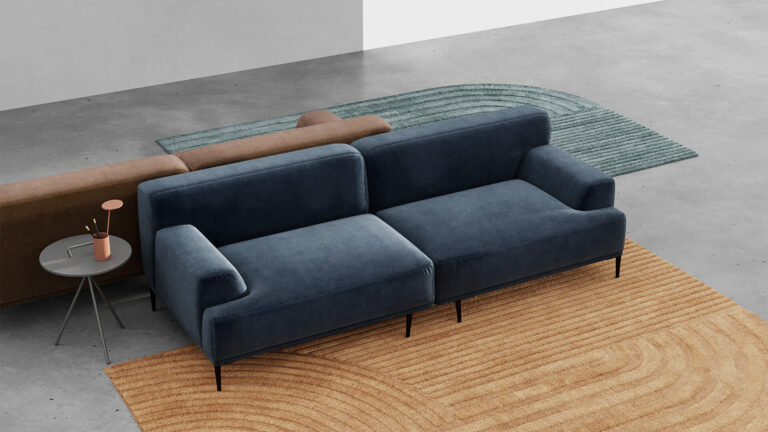
3D product rendering is the process of creating realistic digital images of an object using specialized software. In the context of furniture, it involves building a virtual model of a chair, table, sofa, or other item and presenting it as though it exists in the real world.
The process starts with a digital model based on design drawings or measurements. From there, materials, colors, textures, and lighting are added to simulate how the furniture would look in real life. The final result can range from simple conceptual visuals to highly detailed images that closely resemble photographs.
Unlike traditional images, 3D renders are not limited by physical conditions. There is no need for a finished product, a studio, or a specific location. This makes rendering especially useful in early design stages, where ideas are still evolving.
Benefits of 3D Product Rendering for Furniture Design
Clearer Communication of Ideas
One of the biggest advantages of 3D rendering is how effectively it communicates design intent. A realistic image can show proportions, materials, and finishes far more clearly than a sketch or written description. This is especially helpful when working with clients who may not be familiar with technical drawings.
When everyone involved can see the same visual representation, misunderstandings are reduced, and feedback becomes more precise.
Better Decision-Making Before Production
Furniture production can be expensive and time-consuming. Making changes after manufacturing has begun often leads to wasted materials and added costs. With 3D rendering, design decisions can be tested and refined before anything is built.
Designers can explore different materials, colors, and dimensions digitally. This allows potential issues to be identified early and resolved efficiently, leading to more confident final decisions.
Reduced Costs and Fewer Physical Prototypes
Creating physical prototypes for every design variation is rarely practical. 3D product rendering significantly reduces the need for multiple samples by allowing variations to be visualized digitally.
This not only saves money but also shortens development timelines. Businesses can evaluate multiple ideas without committing resources to each one, which is especially valuable for custom or limited-run furniture.
Flexibility and Creative Freedom
With digital rendering, changes can be made quickly. A fabric can be swapped, a finish adjusted, or a detail refined without starting from scratch. This flexibility encourages experimentation and creativity, allowing designers to explore ideas that might otherwise be too costly or time-consuming.
It also makes it easier to adapt designs for different markets or preferences, such as showing the same piece in multiple styles or settings.
Consistency Across Presentations
Once a 3D model is created, it can be reused in many contexts. The same model can appear in catalogs, presentations, online listings, or client proposals. This ensures visual consistency and reduces the need to recreate assets repeatedly.
Consistency helps reinforce professionalism and reliability, which are important factors when building long-term relationships with clients or customers.
How 3D Product Rendering Works
Although the software behind 3D rendering can be complex, the overall process follows a clear and logical sequence.
Step 1: Creating the 3D Model
The process begins with building the digital structure of the furniture piece. This model is based on measurements, design drawings, or existing reference materials. Accuracy at this stage is essential, as the model serves as the foundation for everything that follows.
The goal is to represent the shape, scale, and proportions as realistically as possible.
Step 2: Applying Materials and Textures
Once the model is complete, materials are added. This includes defining surfaces such as wood, metal, fabric, or glass. Textures help simulate details like grain patterns, stitching, or surface imperfections.
These elements play a major role in how realistic the final image appears. Subtle details often make the difference between a render that feels flat and one that feels convincing.
Step 3: Setting Up Lighting and Perspective
Lighting determines how the furniture interacts with its environment. Different lighting setups can create different moods, highlight specific features, or show how a piece might look in natural or artificial light.
Camera angles are also chosen at this stage to present the furniture clearly and attractively, similar to how a photographer would frame a shot.
Step 4: Rendering and Refinement
The final step is rendering, where the software calculates how light, materials, and geometry interact to produce the finished image. Depending on complexity, this can take anywhere from minutes to several hours.
After rendering, small adjustments may be made to improve clarity, balance, or realism. The end result is a polished image ready for presentation or review.
Tips for Presenting 3D Rendered Furniture Content Effectively
Focus on Accuracy Over Perfection
While 3D rendering allows for idealized visuals, it is important that images remain true to the actual design. Overly perfect or unrealistic representations can lead to disappointment later. Honest visuals help set appropriate expectations and build trust.
Use Renders to Support, Not Replace, Information
Images work best when paired with clear explanations. Providing context about materials, dimensions, and intended use helps viewers understand what they are seeing and how it fits their needs.
Maintain Consistency in Style
Using a consistent visual style across all rendered content makes presentations feel cohesive. This includes lighting choices, backgrounds, and viewing angles. Consistency reinforces clarity and professionalism.
Update Renders as Designs Evolve
As furniture ideas change, renders should be updated to reflect those changes. Keeping visuals aligned with the current design avoids confusion and ensures that everyone is working with accurate information.
Frequently Asked Questions (FAQ)
Is 3D product rendering only useful for large furniture companies?
No. Designers, small studios, and independent makers can all benefit. Rendering scales well and can be adapted to different budgets and project sizes.
Does 3D rendering require technical knowledge to understand?
Not at all. While creating renders requires specialized skills, viewing and using them does not. The visuals are designed to be intuitive and easy to interpret.
Can 3D renders show how furniture will look in a real space?
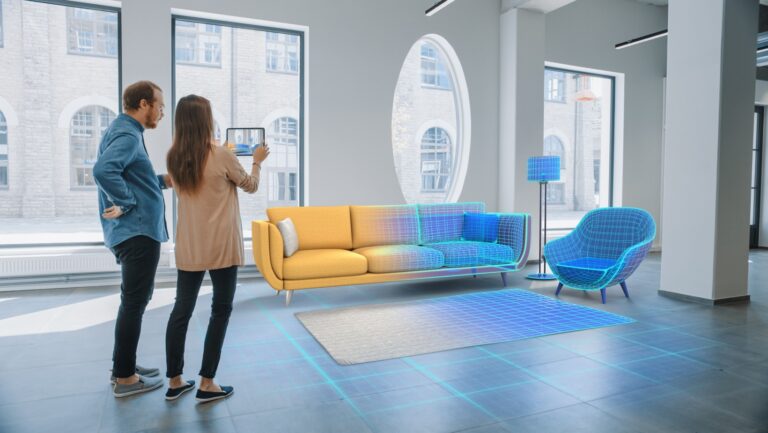
Yes. Furniture can be placed into virtual environments to demonstrate scale and context, helping viewers imagine how it would look in an actual room.
Are 3D renders final representations of the product?
They are visual tools, not physical guarantees. Minor variations may still occur in production, but accurate renders greatly reduce unexpected differences.
Conclusion
3D product rendering has become an essential part of modern furniture design and presentation. By allowing ideas to be visualized clearly before production, it supports better communication, smarter decisions, and more efficient workflows.
Beyond its practical advantages, rendering encourages creativity by making experimentation easier and less risky. Designers can explore possibilities freely, while clients and stakeholders gain a clearer understanding of what is being proposed.
As furniture ideas continue to evolve alongside digital tools, 3D product rendering offers a reliable, flexible way to turn concepts into compelling visuals. When used thoughtfully and accurately, it becomes not just a technical process, but a valuable bridge between imagination and reality.