When it comes to designing interiors, imagination plays a huge role. But let’s face it — not everyone can picture how a flat sketch or a 2D floor plan will translate into a finished living room, office, or kitchen. That’s where 3D interior visualization changes the game. It turns abstract ideas into lifelike visuals, giving both designers and homeowners the clarity they need before making big decisions.
In this blog, we’ll explore the top benefits of 3D interior visualization and why it has become an essential tool in modern design.
1. Brings Ideas to Life with Photorealism
One of the biggest challenges in interior design is communication. A designer may have a brilliant concept in mind, but explaining it to a client using drawings or mood boards often leads to confusion.
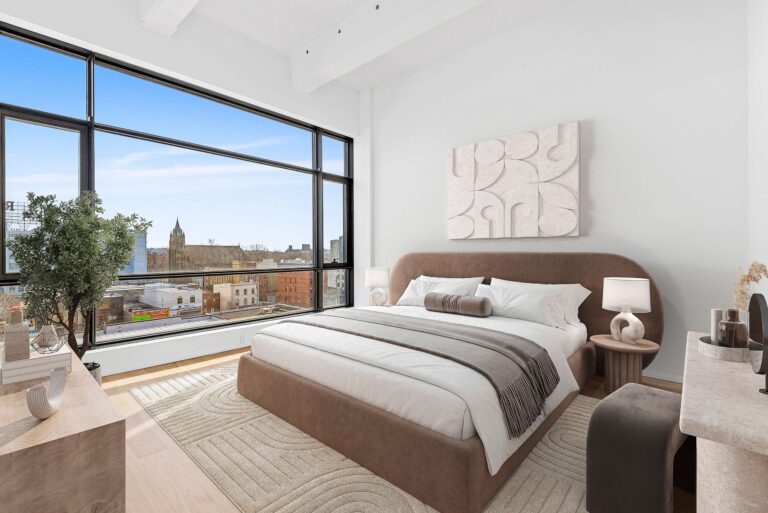
With 3D interior visualization, designers can create photorealistic images of spaces, complete with textures, lighting, furniture, and décor. Homeowners get to see exactly how their future space will look — not just imagine it. From the color of the walls to the glow of pendant lights, everything feels real, making it much easier to move forward with confidence.
2. Saves Time and Reduces Costly Mistakes
Interior design projects are expensive, and mistakes can add up quickly. Choosing the wrong flooring, furniture, or color palette could mean thousands of dollars wasted.
3D visualization helps avoid these risks by allowing both parties to experiment digitally before making real investments. Want to see how a marble countertop compares to quartz? Or how warm lighting changes the mood of a room? A designer can make adjustments in minutes, instead of homeowners paying for physical changes after installation.
By solving problems at the visualization stage, designers save time on revisions, and homeowners avoid costly trial-and-error mistakes.
3. Makes Design Decisions Faster
For homeowners, decision-making can feel overwhelming. With so many styles, finishes, and layouts to choose from, it’s easy to get stuck in endless back-and-forth discussions.
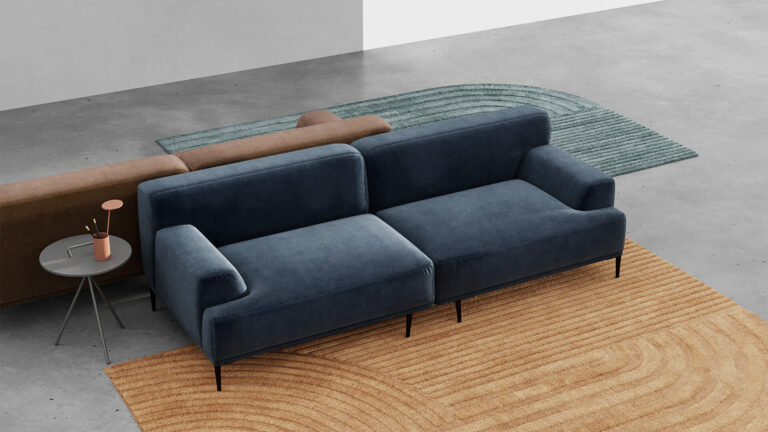
3D interior visualization cuts through the confusion by providing clear, side-by-side comparisons. Instead of relying on samples or swatches, homeowners can instantly see the impact of different design options in a realistic setting.
This speeds up approvals, shortens project timelines, and helps designers focus more on creativity rather than endless revisions.
4. Enhances Collaboration Between Designers and Clients
Design is a collaborative process, but traditional tools often leave room for misunderstandings. Clients might agree to something on paper, only to be disappointed once the work is completed.
With 3D interior visualization, designers and homeowners work on the same visual language. Both parties can walk through the space virtually, share feedback in real-time, and make adjustments on the spot.
This not only builds trust but also ensures the final design truly reflects the homeowner’s vision — not just the designer’s interpretation.
5. Flexibility to Explore Multiple Styles and Layouts
One of the best parts of 3D visualization is its flexibility. Designers can experiment with multiple layouts, furniture styles, or décor themes without any extra cost or effort.
For example:
Try a modern minimalist layout vs. a cozy rustic design.
See how an open-plan kitchen compares to a partitioned layout.
Test bold accent walls against subtle, neutral tones.
Homeowners can explore unlimited possibilities until they find the perfect balance of style, function, and comfort — all before making a single purchase.
6. Great Tool for Marketing and Presentations
For designers, 3D interior visualization isn’t just a design tool — it’s also a powerful marketing asset. High-quality renders can be used in portfolios, social media posts, and client presentations to showcase their skills and attract new projects.
For homeowners looking to sell or rent a property, 3D visualizations help showcase the potential of the space. A staged 3D render can make listings more attractive, increase buyer interest, and speed up sales.
7. Supports AR/VR and Immersive Experiences
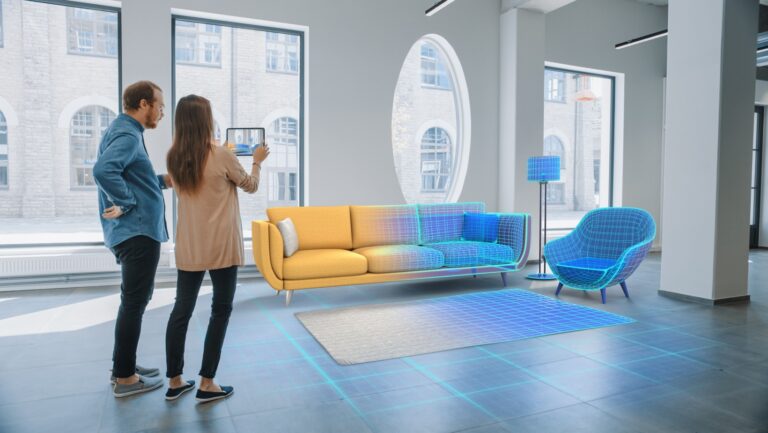
The future of design is immersive, and 3D interior visualization fits perfectly into that trend. Many 3D models can be adapted for augmented reality (AR) and virtual reality (VR) platforms.
Homeowners can use AR apps to see how furniture would look in their actual living room.
Designers can create VR walkthroughs that let clients “step inside” their future home before construction begins.
This creates a hands-on, interactive experience that makes decision-making even more intuitive and exciting.
8. Builds Confidence in the Final Design
Perhaps the most important benefit of 3D interior visualization is the peace of mind it offers. Homeowners don’t have to rely on imagination or take risks — they can see exactly what they’re getting before committing to it.
For designers, it reduces revisions, builds client trust, and ensures smoother project execution. Both sides feel more confident, aligned, and excited about the final outcome.
Conclusion
In the world of interior design, 3D interior visualization is no longer a luxury — it’s a necessity. It bridges the gap between imagination and reality, helping designers showcase their ideas clearly and homeowners make smarter, faster decisions.
From photorealism and flexibility to cost savings and immersive experiences, the benefits are undeniable. Whether you’re a designer looking to impress clients or a homeowner planning your dream space, 3D interior visualization is the tool that makes the journey smoother, faster, and far more enjoyable.