Introduction to 3D Animation Studios and Their Relevance in Furniture Rendering
3D animation studios have become an integral part of how furniture is designed, presented, and evaluated before production. As furniture buyers increasingly rely on digital experiences to explore products, businesses need ways to present their ideas clearly, accurately, and convincingly. This shift has elevated the role of specialized studios that focus on 3D visualization and rendering.
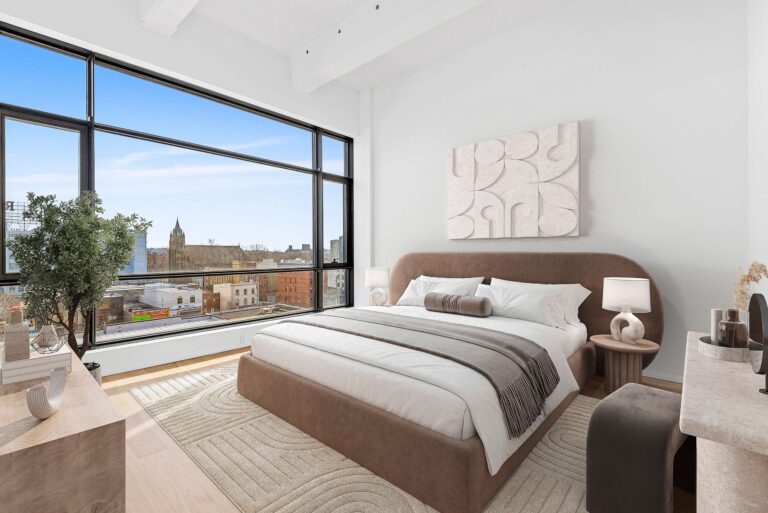
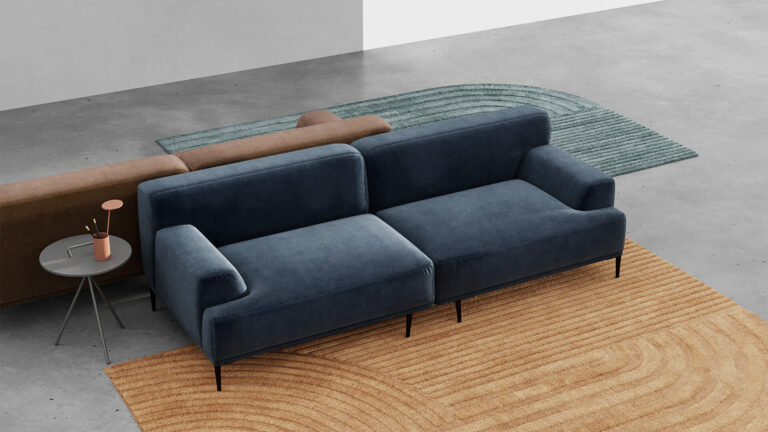
Rather than relying solely on physical prototypes or traditional photography, furniture brands now work with 3D animation studios to create realistic digital representations of their products. These studios combine artistic skill with technical knowledge to transform concepts, drawings, or CAD files into visuals that closely resemble real furniture pieces.
The relevance of these studios goes beyond aesthetics. High-quality 3D furniture rendering supports better decision-making, reduces costly mistakes, and improves communication between designers, manufacturers, and clients. When executed well, it also strengthens confidence in the product and the brand behind it.
Benefits of High-Quality 3D Furniture Rendering Services
Improved Visualization and Clarity
One of the most immediate benefits of professional 3D furniture rendering is clarity. Rendered visuals show proportions, materials, finishes, and details in a way that flat sketches or written descriptions cannot. Clients can see exactly how a piece is intended to look, which reduces ambiguity and misinterpretation.
This clarity is especially valuable for custom furniture or complex designs, where small details can significantly impact the final result.
Faster Design Approval and Fewer Revisions
High-quality renders help stakeholders make decisions more efficiently. When a design is presented realistically, feedback tends to be more specific and actionable. This reduces the number of revision cycles and shortens approval timelines.
By identifying issues early—such as scale, material choices, or visual balance—businesses avoid costly changes later in the production process.
Reduced Dependence on Physical Prototypes
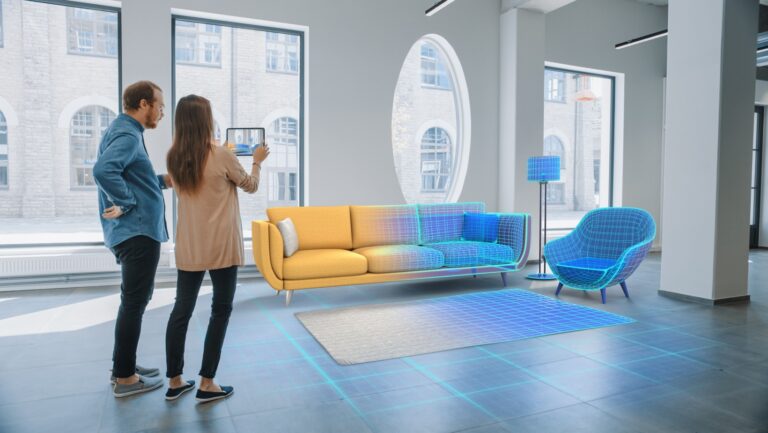
Producing physical samples can be expensive and time-consuming. 3D rendering allows multiple design variations to be explored digitally before committing to manufacturing. This reduces waste and lowers development costs, particularly for new product lines or experimental designs.
Consistent Presentation Across Channels
Once a furniture model is rendered, it can be reused across catalogs, presentations, online listings, and internal reviews. This ensures consistency in how products are represented and eliminates the need to recreate visuals for different platforms.
Consistency not only improves efficiency but also reinforces professionalism and reliability.
Better Client and Customer Confidence
Accurate and realistic visuals build trust. When customers or clients feel they understand what they are buying or approving, they are more likely to move forward with confidence. This trust is a key component of long-term business relationships.
Key Features to Look for in a 3D Animation Studio
Proven Experience in Furniture Rendering
Not all 3D animation studios specialize in furniture. Experience in this specific field matters because furniture rendering requires an understanding of materials, construction methods, and realistic proportions. A strong portfolio that includes chairs, tables, sofas, or cabinetry is a reliable indicator of relevant expertise.
Attention to Detail and Realism
High-quality furniture rendering depends on subtle details such as wood grain, fabric texture, stitching, and how light interacts with surfaces. A capable studio pays close attention to these elements and avoids visuals that feel artificial or exaggerated.
Clear Communication and Collaboration
Rendering is a collaborative process. The best studios communicate clearly, ask informed questions, and provide guidance when design choices affect visual outcomes. This collaborative approach reflects professionalism and helps ensure the final result aligns with expectations.
Flexibility and Scalability
A good studio should be able to handle both small projects and larger, ongoing collaborations. Flexibility in handling revisions, variations, and different levels of detail is important, especially as furniture collections evolve.
Transparent Workflow and Timelines
Trustworthy studios are open about their process, timelines, and limitations. They provide realistic delivery schedules and keep clients informed throughout the project. Transparency is a strong indicator of reliability and accountability.
How AI Is Transforming the Furniture Rendering Industry
Artificial intelligence is increasingly influencing how 3D animation studios work, particularly in the furniture sector. While human expertise remains essential, AI tools are enhancing efficiency and consistency in several ways.
Faster Modeling and Material Matching
AI-assisted tools can analyze reference images and help generate base models or suggest material properties more quickly. This speeds up early stages of rendering while allowing artists to focus on refinement and realism.
Smarter Lighting and Scene Optimization
AI systems can automatically adjust lighting setups based on the environment or desired mood. This reduces trial-and-error and helps achieve balanced, realistic results more efficiently.
Automated Variations and Customization
For furniture collections with multiple finishes or configurations, AI can assist in generating variations without rebuilding models from scratch. This is particularly useful for catalogs and presentations that require multiple options.
Quality Control and Consistency
AI tools can help identify inconsistencies in scale, alignment, or materials across large sets of renders. This supports higher quality standards and reduces the likelihood of errors slipping through.
Despite these advances, expert oversight remains critical. AI enhances the workflow, but experienced artists are still responsible for judgment, aesthetics, and accuracy.
Case Studies and Examples of Successful Projects
In one common scenario, a mid-sized furniture manufacturer replaced physical prototypes with 3D renders during the design phase. By doing so, the company reduced sample production costs and shortened development timelines. Designers were able to test multiple material options digitally, leading to better-informed final decisions.
In another example, an interior design firm used rendered furniture visuals to present custom pieces to clients before manufacturing. Clients reported higher confidence in approvals, and the firm experienced fewer post-installation changes.
These examples highlight how professional rendering services can deliver measurable benefits without requiring overly complex technology or processes.
FAQs Related to 3D Furniture Rendering Services
What information does a studio need to start a furniture rendering project?
Typically, studios need design drawings, dimensions, material references, and any specific style or presentation preferences. The more accurate the input, the better the result.
How long does it take to produce high-quality furniture renders?
Timelines vary depending on complexity, but most projects take anywhere from a few days to a few weeks. Clear communication and timely feedback help keep schedules on track.
Are 3D renders accurate representations of the final product?
When created by experienced studios, renders are highly accurate. However, minor differences may still occur due to material availability or production constraints.
Can renders be updated if the design changes?
Yes. One of the advantages of 3D rendering is flexibility. Changes to materials, dimensions, or finishes can usually be made without starting over.
Is 3D furniture rendering suitable for small businesses?
Absolutely. Many studios offer scalable services that work well for small brands, independent designers, and startups.
Conclusion: Choosing the Right 3D Animation Studio Matters
High-quality 3D furniture rendering has become an essential part of modern furniture design and presentation. The right 3D animation studio does more than create attractive images—it helps clarify ideas, reduce risks, and support better decisions throughout the design and production process.
When choosing a studio, experience, attention to detail, communication, and transparency are key indicators of reliability. As AI continues to enhance rendering workflows, studios that combine advanced tools with human expertise are best positioned to deliver consistent, trustworthy results.
Ultimately, investing in the right 3D animation partner is an investment in clarity, confidence, and long-term success for any furniture-focused business.